
Game Birds
Print/Download Page As PDF
Invest in Lesotho’s
Game Birds Sector
LESOTHO – Pioneering a High-Value Down, Feather & Game Birds Meat Export Hub in Southern Africa.
Rising global demand for game bird meat presents a strong incentive to invest in Lesotho, which offers a pristine climate, competitive costs and tax conditions along with tariff-free access to key global markets.
Introduction
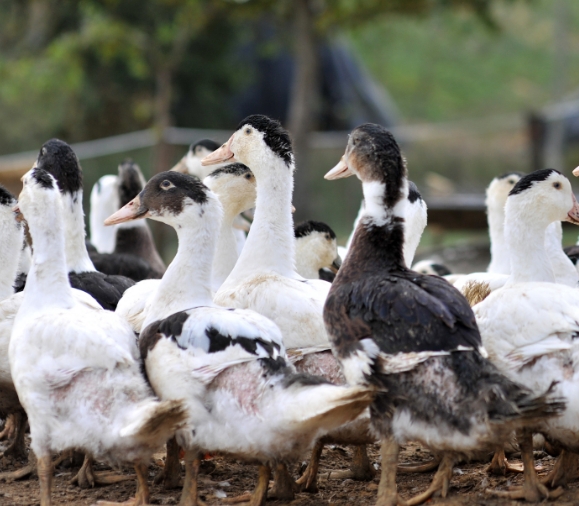
Lesotho offers a prime opportunity in the integrated game bird sector, targeting the global down and feather market projected to reach USD 18.3bn by 2028; and the growing game meat market. Invest in farming ducks, geese, guinea fowl and quail for premium meat exports and high-value down processing, to build a dual-revenue export business.
This opportunity captures the full value of game birds (ducks, geese, guinea fowl, quail) through an integrated down and feather value chain alongside premium meat production. Lesotho’s pristine environment provides a unique “clean and green” branding advantage for both high-value product lines, leveraging preferential market access to major international markets.
Strengths &
Opportunities
Market Evidence
Diversified Global Demand:
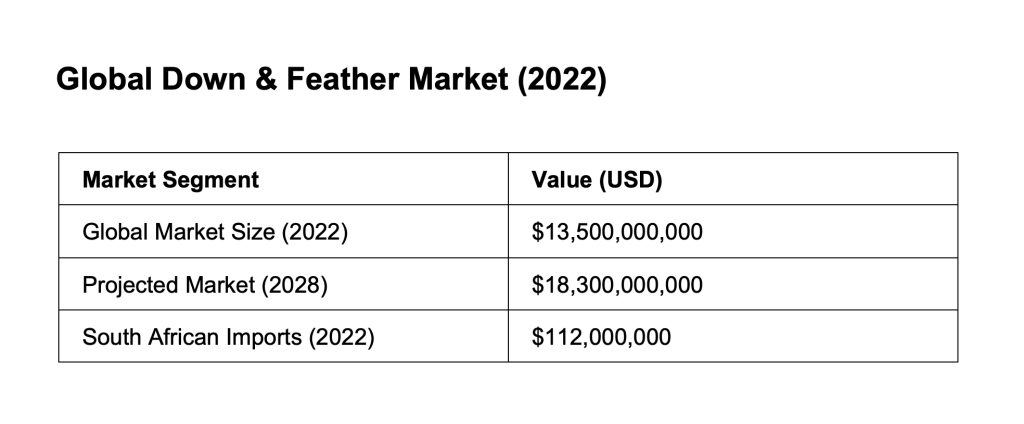
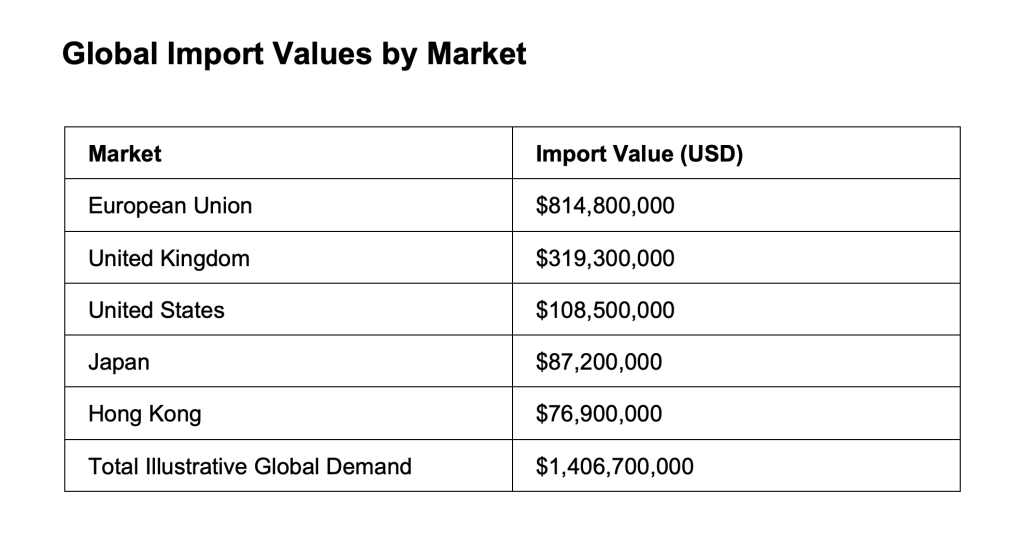
Import demand for game bird meat is strong and geographically spread, with the EU and UK constituting the largest bloc (~ USD 1.13bn), while the global down and feather market, projected to grow from USD 13.5 billion in 2022 to reach USD 18.3bn by 2028. The United States represents a further USD 108m market, with significant demand also in affluent Asian markets like Japan and Hong Kong.
Multi-Product Strategy:
This data validates a dual-track approach: producing premium meat for diverse international markets while simultaneously building the high-margin down and feather value chain from the same birds.
Logistical Advantage:
Lesotho’s location provides optimal access to the substantial South African and EU/UK markets, while other global markets remain accessible for frozen exports (e.g. Japan, Hong Kong).
Incentives
Corporate tax:
• 10% on profits from commercial agriculture and agro-processing
Training:
Cost of Lesotho citizens allowable at 125% for tax purposes
Withholding tax:
• 10% on service contracts with non-residents
• 25% on dividends distributed from income by resident companies to non-resident shareholders
• No withholding tax on dividends distributed to Lesotho residents
VAT:
• 15% on goods and services sold in Lesotho
• 0% on direct exports
Risk guarantees:
• Partial credit guarantee through the LNDC
• Tailor-made, agriculture-specific loan through the Lesotho Post Bank
Specific incentives for the horticulture sector:
Support from the LNDC includes:
• Serviced industrial and commercial sites at competitive rentals
• Provision of industrial and commercial buildings at competitive rentals
• Financial assistance on a selective basis
• Investment facilitation services
• Assistance with permits and licenses
• Assistance with company registration
• Assistance with industrial relations issues
• Appraisal of investment projects
• Assistance with preparation of project briefs for the Environment Impact Assessment (EIA) Certification
• Facilitating access to a Sesotho language technical training manual for local workers in on-farm and crop management
• Facilitating access to demonstration and crop pilot plots
• Facilitation support to identify and mobilize village level farmer engagement
• Facilitating access to technical data on historical crop performance
Competitive advantages
Lesotho offers a compelling opportunity for game bird production, with its access to local grain, potential to attract animal feed manufacturers, and proximity to South Africa for sourcing and expanding viable breeds. While it lacks intensive feedlot systems, the country can leverage modern technologies and training to build a strong, high-quality breeding stock.
Combined with competitive production costs and duty-free access to major game birds meant and down and feather products – EU, UK, Japan, South Africa, etc – and other global markets. Lesotho is well-positioned for sustainable, export-focused growth in the game bird sector.
De-risked Start-Up:
Investment and land facilitation, factory shell provision, and development financing support by LNDC. Fiscal Incentives: 10% corporate tax rate for agriculture sector; no tax on dividends (depending on DTAs).
Supportive Ecosystem:
Active development partner interest (GIZ/EU) and alignment with national job creation goals.
Pristine Environment:
Pollution-free air and pure water sources enable premium product positioning

Investment Opportunities (Phased):
Phase 1: Primary Processing
• Centralized collection, washing, sterilizing, and sorting facilities
• Low-investment, high-margin entry point
• Focus on semi-finished product exports
Phase 2: Integrated Production
• Breeder farms and out-grower schemes for consistent supply
• Certified abattoir and cold chain for premium meat exports
• Quality improvement programs for local stock
Phase 3:
• Value Addition Manufacturing of finished products (duvets, pillows, technical textiles)
• Brand development for “Clean & Green” Lesotho origin
• Diversification into automotive and furniture sectors.

SDGs alignment
The project aligns with SDGs 1, 2, 8, 9, 10 and 15.
Financial Analysis
TOTAL INVESTMENT
comprising fixed assets of:
USD 1.8m
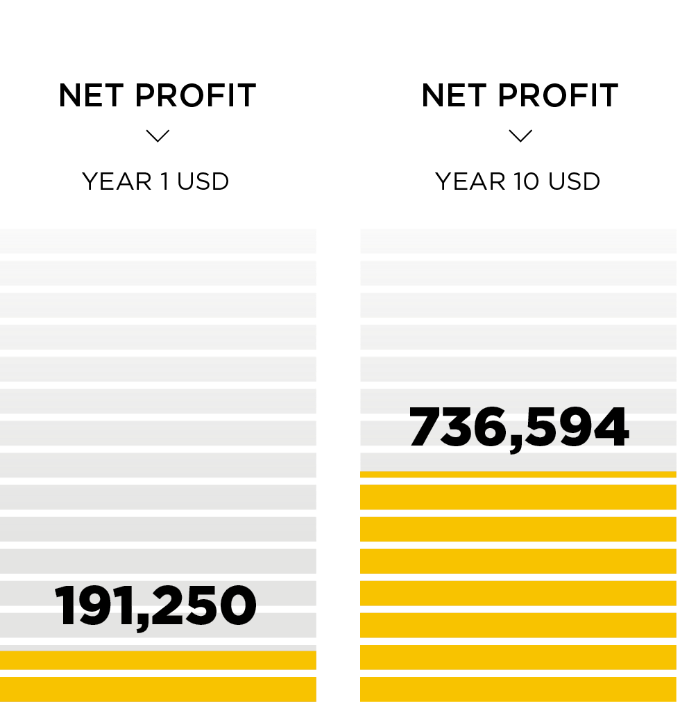
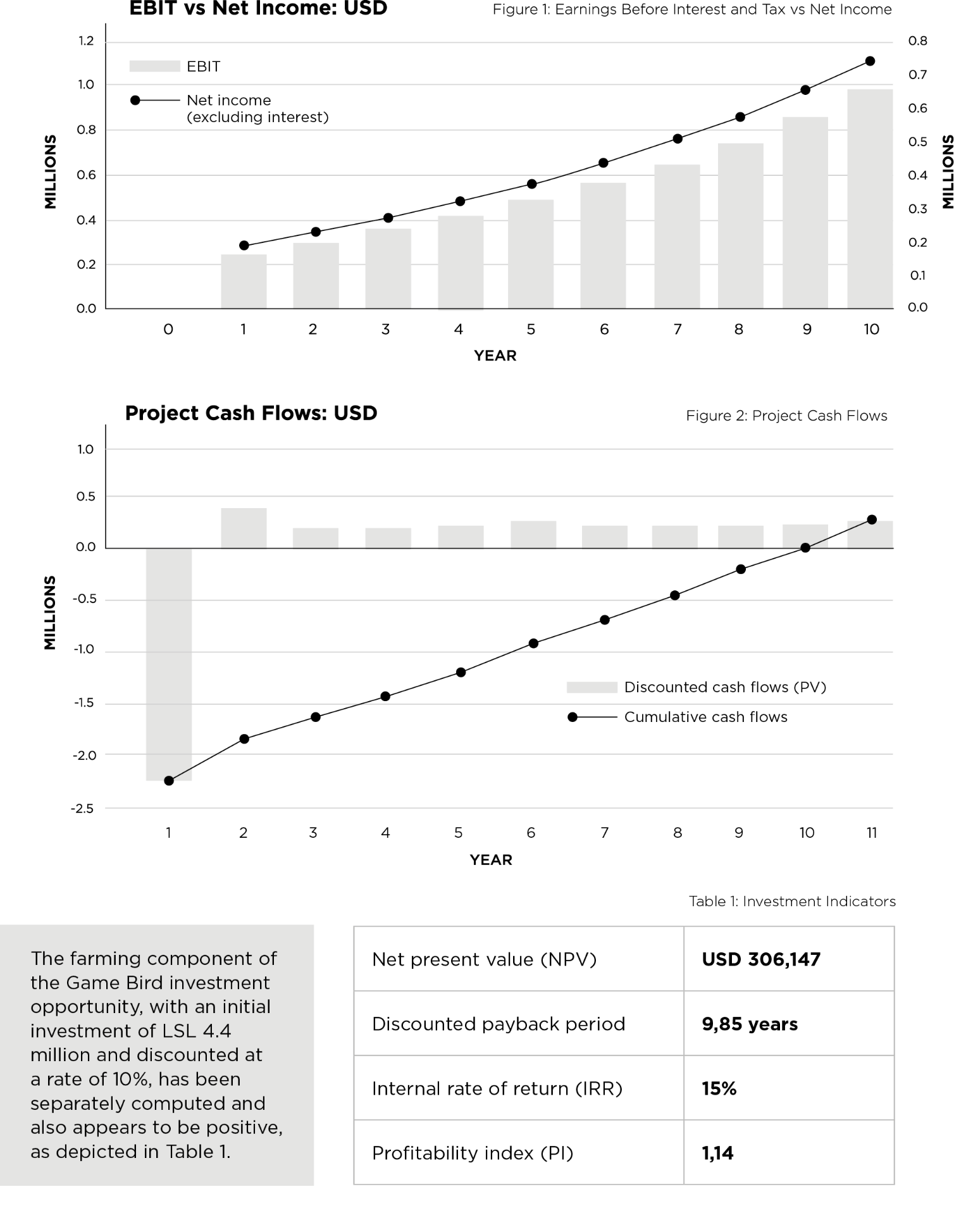
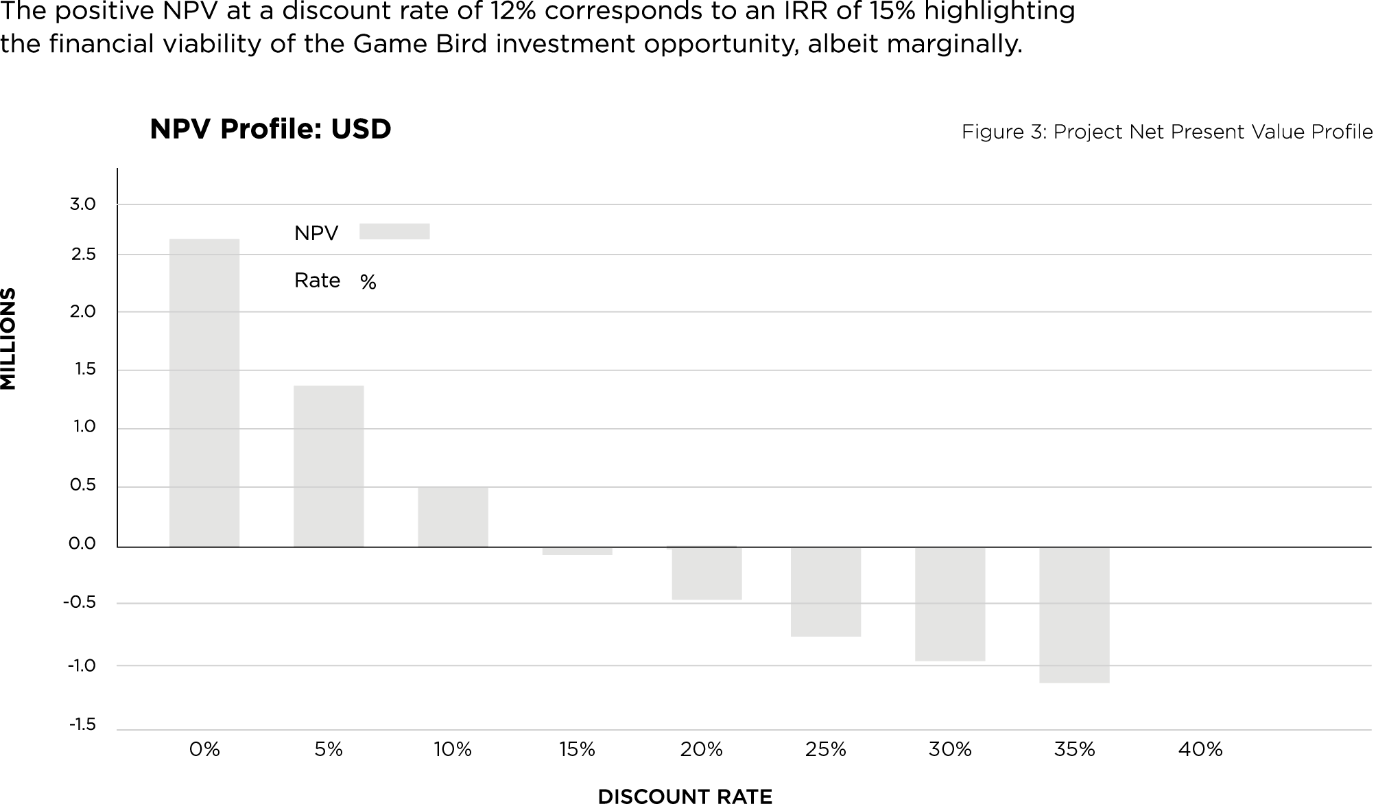
pre-production expenditure of USD 139k and initial working capital of approximately USD 305k will be required for the establishment of the Game Bird enterprise. The graphs below illustrate a financially viable operation with the opportunity expected to generate a profit throughout its operational life.
NET PROFIT
USD 736k
in Year 10.
Similarly, the projected cash flows of the envisaged project indicate that it will generate positive net cash flows throughout the 10-year operational period.
Financial Analysis
NOTE


Disclaimer
This web page provides a strategic overview. All financial figures are based on a high-level investment opportunity model and should be used as an indicator of potential only. Investors are strongly encouraged to conduct independent due diligence and a full feasibility study with the support of the LNDC to validate all assumptions under current market conditions.