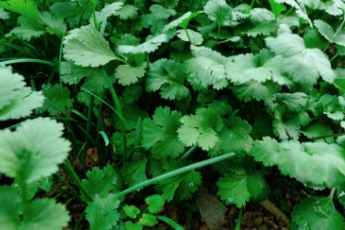
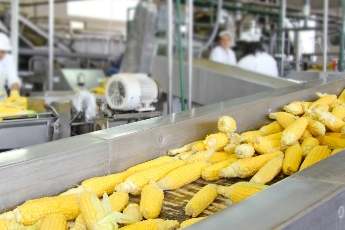
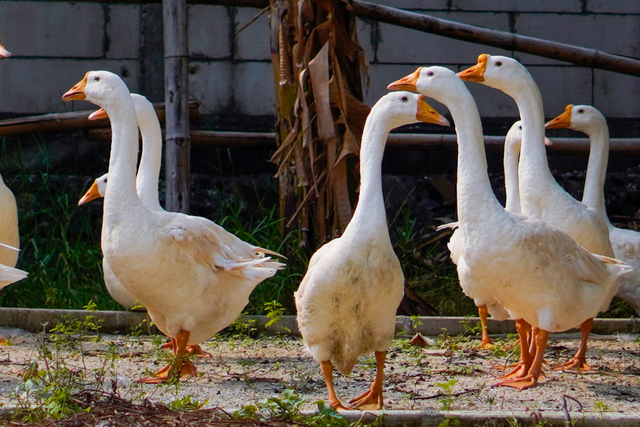
The Government of Lesotho supports the agriculture sector and creates an enabling environment for growth. Importantly, Lesotho has plentiful supplies of pure water for the growth of crops and food processing, and climate suitability for early harvest
Mrs. Phomotso Majodina
Executive Committee Member
Direct Contact
Enquiry Form
Fill in the form to talk to Investment
promotion manager: Agriculture
Lesotho is well endowed with a pristine agricultural climate and abundance of pure water to support the growth of crops and processing. The government provides strong support to commercialize the agricultural sector in the form of lower tax rates (10%) compared to normal tax rates of 25%.
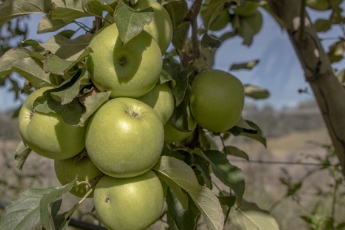
The favourable climate and highlands in Lesotho allow it to produce fruits such as peaches, apples, blue berries etc. that are off season in Southern Africa and other parts of the world, creating an opportunity for year-round production of fruits for exports.
The country is also exploring opportunities in cold chain management and increasing salmon farming for export to Japan and South Africa.
The Lesotho National Development Corporation is also providing support to investors in the agriculture sector by pooling land for investors and simplifying the process for setting up agro-processing businesses in the country.
The government also has plans to invest in greenhouses, plants and farms that can be leased to investors, thereby reducing the cost of setting up businesses.
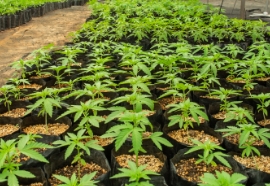
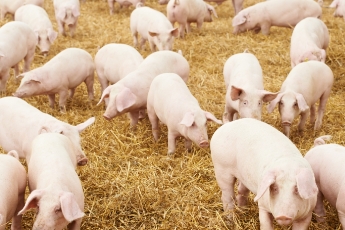
Priority products include rosehip, hemp, herbs and spices, processed foods, deciduous fruits, fish (pure salmon, trout), poultry, piggery, beef.
Historically, processing of fruit and vegetables in its simplest form like pickling, sun drying or making preserves was practiced in the country from very ancient times in almost every home. In Lesotho, little activity has been done in processing of fruit and vegetables for commercial purposes. In an effort to diversify its export base, Lesotho has identified processing of fruit and vegetables as a potential production area.
Feasibility for production of deciduous fruit has been successfully piloted indicating fruit with high growth potential like:
peaches,
apples,
cherries,
plums,
berries,
grapes and
pears
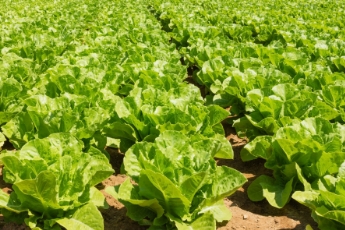
Tremendous potential also lies in the production of high value cash crops such as mushrooms, asparagus, beans, peas, spinach, tomatoes and potatoes. A Cannery already exists which produces mostly for the EU market and operates for seven months per annum, from September to March of the following year. The Cannery has a capacity to produce +/- 10 tons of asparagus per day, +/- 10 tons of peaches per day and +/- 6 tons of baked beans per day.
Aquaculture
Global fish consumption has increased five-fold in the last five decades resulting in aquaculture now being the fastest growing sustainable food production sector in the world. The demand for fish globally cannot be met by natural fisheries alone, therefore the expansion of aquaculture is inevitable. The aquaculture sector has set itself apart in the global food production, due to its continued innovation and lead role it plays as major component of the future green economy.
In Lesotho, fish farming plays a very important role in the development of the fisheries industries. The potential for aquaculture development has increased as a result of the current and planned water development projects such as the Lesotho Highlands Water Project Phase I and II respectively.
Due to differences in altitude, Lesotho has two distinct fish farming zones namely:
The Lowlands – where temperatures are relatively high and
The Highlands – characterized by cold climatic conditions. The cold climatic conditions in Lesotho are suitable for production of high quality trout. Trout, like its salmon cousins, requires clean and cold, well-oxygenated, fast-moving water at a high altitude, which is exactly what Lesotho’s dam reservoirs offer.
Lesotho has an abundance of fresh disease-free water and fish farming has emerged as a lucrative business activity with two farms supplying the Republic of South Africa and Japan with trout/salmon. The capacity services a very small fraction of the market leaving very big room for investment in expansion and diversification of fish species for these markets which allow for duty free-quota free entry of fish from Lesotho. The current fish product stands at 300 tons of trout per annum with potential to grow the capacity to 1,200 tons per annum.