Renewable Energy
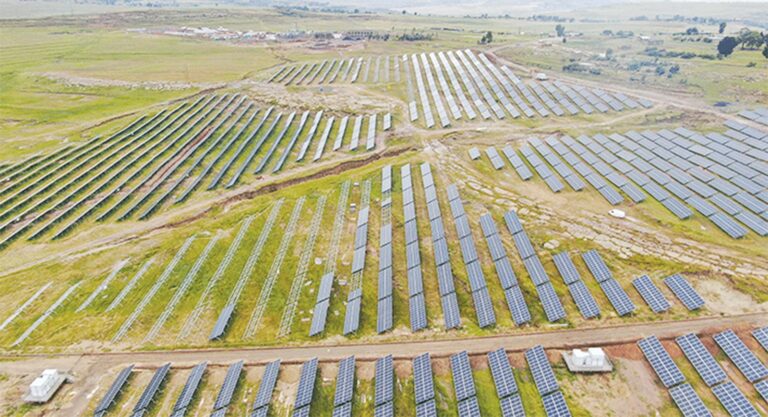
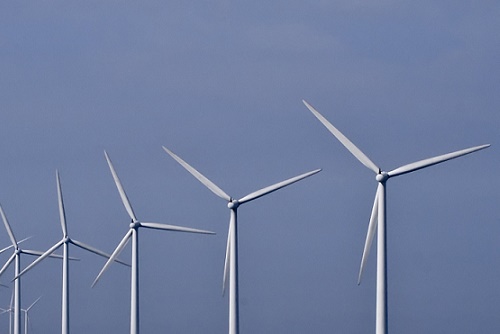
Opportunities exist for investors to supply renewable energy products or to develop renewable power generation in Lesotho. Currently the major exploits found in the country for renewable are Hydro energy, Solar energy and Wind energy
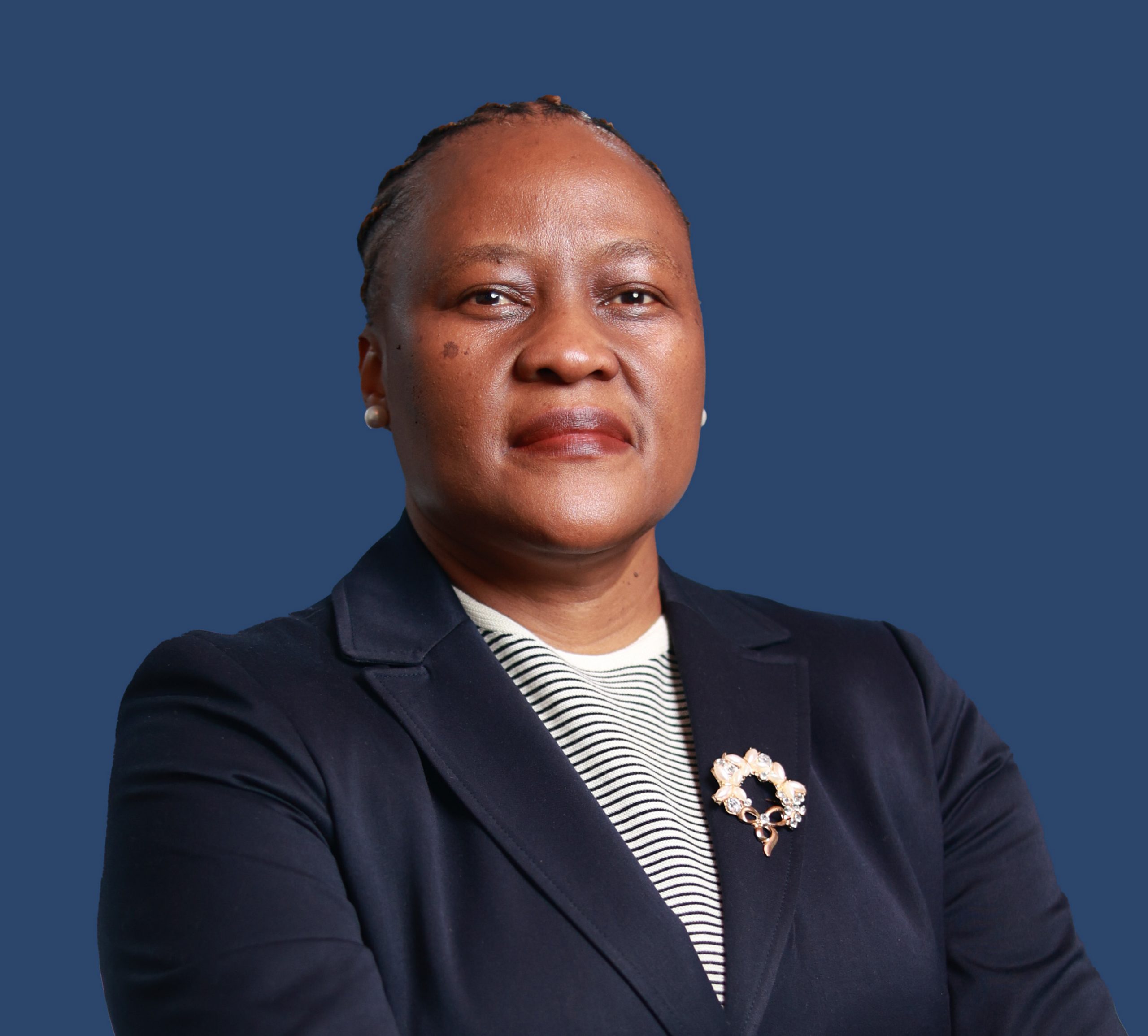
Mrs. Phomotso Majodina
Executive Committee Member
Direct Contact
Enquiry Form
Fill in the form to talk to Investment promotion manager: Renewable Energy
Lesotho presents untapped market potential with opportunities for growth, particularly in sectors like renewable energy, driven by abundant natural resources such as water, wind and sunlight. With local and regional demand for clean energy, investing in Lesotho’s renewable energy sector offers sustainable growth prospects.
Lesotho stands at a rare global inflection point with the chance to become a 100% renewable energy nation and a net exporter of clean power to the Southern African Power Pool. Already, its existing ‘Muela Hydropower Station provides over 480GWh annually—serving more than 50% of domestic demand. Once the Polihali Dam is complete, increased rate of flow through ‘Muela will boost output by 30%, taking us to over 620GWh per year.
Read more about them below.
The Lesotho Highlands Water project offers opportunities for mid to large scale hydropower development and several studies have been conducted on possible pumped-storage plants as well. It is estimated that the large-scale hydropower generation potential for Lesotho is approximately 450 MW.
Additionally, there is significant potential for small scale hydro as well as wind and solar energy. As to small scale hydro, there are currently four mini hydro-power stations in the mountains at Semonkong, Tlokoeng, Tsoelike and Mants’onyane.
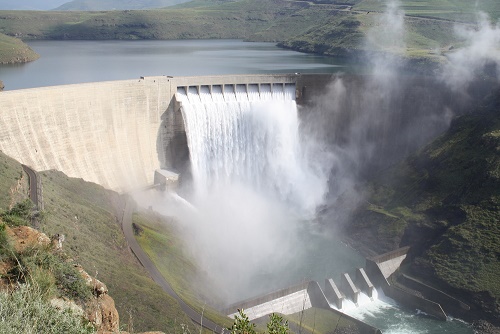
It is estimated that there are roughly other 20-40 sites available for exploitation with a combined potential of more than 20 MW. The situation in Lesotho is conducive to developing small hydropower systems due to adequate existing hydropower resources and a settlement pattern in rural areas that favours decentralised energy systems. The current legislation that allows independent power producers to generate electricity for the national grid and the creation of a National Rural Electrification Fund by the government is seen by the authors as facilitating the uptake of small hydropower technology. Feasibility studies have been completed on three preferred sites: Tlokoeng, Motete and Qacha’s Nek.
On the horizon are two transformative projects:
- The Oxbow Hydropower Scheme: 80MW of peak capacity
- And Floating Solar PV Farms across three major dams—unlocking an additional 574MW of clean energy
Combined, these could position Lesotho as a green energy leader in Africa.
For more information, please visit LHDA website…